
How to Find the Best Insurance Coverage for Your Jeep Wrangler
One of the primary costs associated with owning a vehicle besides the initial purchase, gas, and maintenance is automobile insurance. It’s required to register a vehicle and protects you, your passengers, and the other vehicle involved in an accident from financial havoc. The cost of insuring your keep wrangler doesn’t need to extend beyond the constraints of your budget. Keep these tips in mind when looking for insurance to ensure you have adequate coverage without breaking the bank.
1. Shop around
Most insurance companies have made it relatively simple to get a quote in less than 10 minutes. Enter your personal information, information about your vehicle, and your coverage requirements to get a monthly or policy quote. Upside Insurance (www.upsideinsurancegreenville.com) encourages consumers to take the time to compare at least three different quotes. The difference in price for the term of the policy can save you hundreds of dollars in some cases.
2. Modify coverage
If you’re looking for the cheapest quote, you can receive a lower price by carrying the state minimums for insurance. Be careful if you have assets that need to be protected. If you only purchase $25,000 in coverage and an accident amounts to $50,000 in damage, for example, you could end up being responsible for the other $25,000. Collision, which covers your vehicle if you’re at-fault in an accident, and comprehensive, which pays for damages from theft, fire, or floods are optional and might not be worth carrying if you have an older vehicle. The price of these also depends on how high or low you set your deductible.
3. Check your driving record and credit
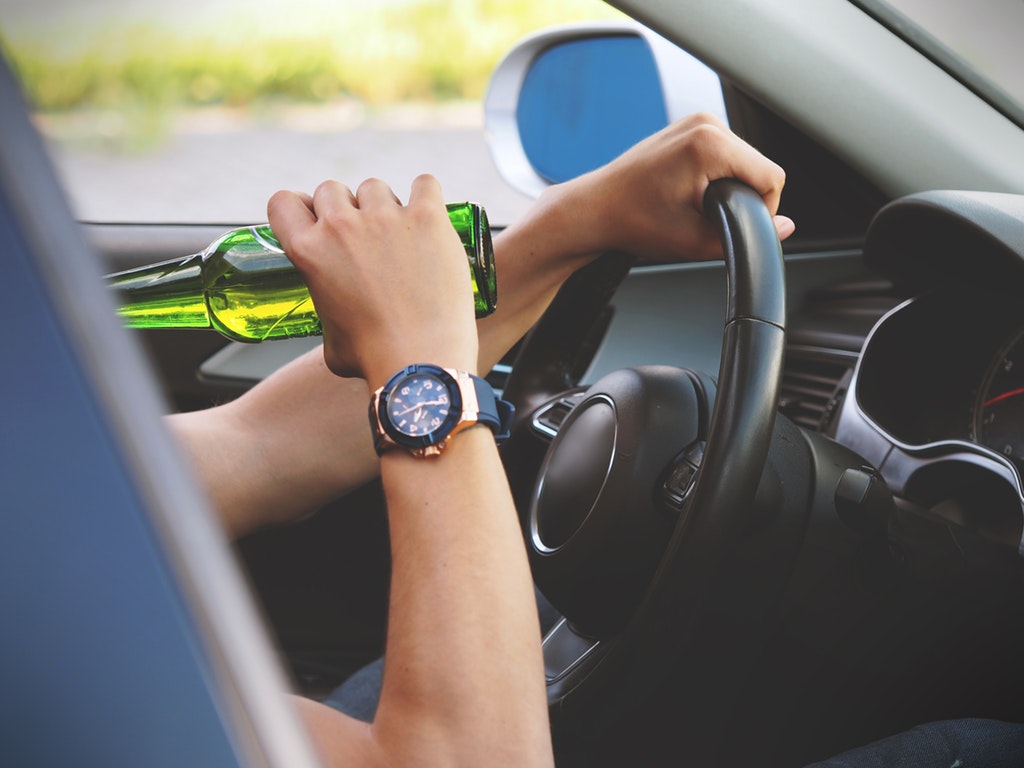
A large part of your quote consists of your driving record. If you have multiple tickets that put points on your license or accidents, expect to pay more until these “fall off” your record. Some companies go back three years, while others look as far back as five years. According to Progressive, a DWI is relevant for ten years and can significantly hike your price. Insurance companies will also look at your credit score to determine how much of a risk you are as a driver and can give you a higher quote if your credit is less-than-stellar. Pay down your credit cards a bit or try to remove derogatory marks to get a better deal.
4. Discounts
Try to get every discount that you’re eligible for. Take a defensive driving course or look into safe driving programs from insurance companies that offer a lower rate by using a device that monitors your driving habits and bases your rate on speed, braking, and other driving factors that contribute to accidents or tickets. Don’t forget to include any safety or anti-theft features your Jeep Wrangler has. Consider bundling policies such as a home or renter’s insurance with the company to receive a discount on your policy.
Automobile insurance doesn’t have to consume the majority of your budget. Take your time to compare quotes, look into discounts, and examine your coverage. You’ll appreciate the extra wiggle room in your monthly budget.